Kora in Tibet: A Spiritual Journey Different from Hiking
In Tibet, mountains are not just climbed—they are circumambulated. The ancient practice of Kora (pilgrimage circuit) blends physical endurance with profound spirituality,…
In Tibet, mountains are not just climbed—they are circumambulated. The ancient practice of Kora (pilgrimage circuit) blends physical endurance with profound spirituality, offering travelers a chance to walk in the footsteps of Buddhist monks and Himalayan nomads. But how does a kora differ from a regular trek? And which sacred peaks should you choose? Here’s your guide to Tibet’s transformative mountain pilgrimages.
Tibet’s Sacred Mountains: Where Divinity Meets the Earth
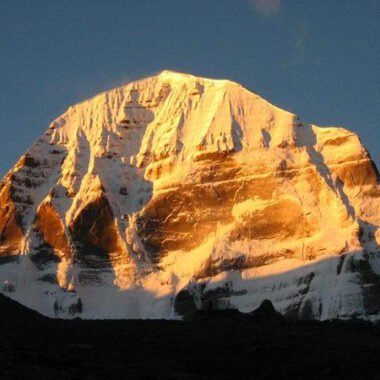
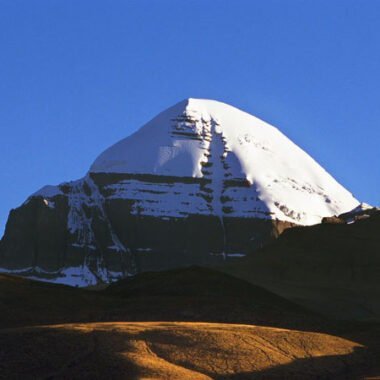
1. Mount Kailash (6,638m)
– Why it’s iconic: Revered by Buddhists, Hindus, Jains, and Bonpos as the “Axis Mundi” (center of the universe).
– Kora route: 52km, 3 – 4 days, max altitude 5,650m (Drolma La Pass).
– Landmarks: Sky-burial sites, Tarboche flagpole, and turquoise Lake Manasarovar.
2. Nyenchen Tanglha (7,162m)
– Significance: Guardian deity of Lhasa and Tibet’s “King of Mountains.”
– Kora route: 20km around “Tashi Do hermitage”, dotted with meditation caves.
3. Amnye Machen (6,282m)
– Cultural gem: Holiest mountain in Tibet’s Amdo region for Bon tradition, currently it still remains closed to foreign tourists.
– Kora route: 180km (8–12 days) through grasslands and glacier valleys.
Kora vs. Regular Hiking: 5 Key Differences
Aspect | Tibetan Kora | Regular Trekking |
Purpose | Spiritual cleansing, merit-making | Adventure, scenery, fitness |
Direction | Clockwise-only (Buddhist tradition) | No fixed direction |
Rituals | Prayer flag offerings, mantra chanting | Minimal cultural obligations |
Pace | Slow, meditative | Goal-oriented (summits/mileage) |
Community | Shared with pilgrims, monks, nomads | Mostly fellow tourists |
Essential Tips for Your First Kora
1. Physical & Mental Prep
– Train for altitude: Spend 3 days in Lhasa (3,650m) to acclimatize.
– Practice walking meditation: Focus on breath to sync with pilgrims’ rhythm.
2. Cultural Respect
– Dress modestly: Cover shoulders/knees; avoid flashy logos.
– No meat/alcohol: Many pilgrims fast during kora—follow suit out of respect.
– Silence at sacred sites: Never shout near stupas or sky-burial grounds.
3. Packing Must-Haves
– Lightweight prostrator gloves (if mimicking full-body pilgrim bows).
– Local currency (¥1 bills): For offerings at shrines.
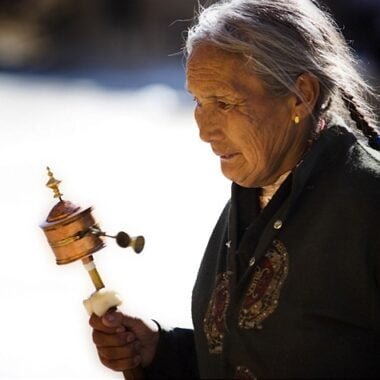
– Portable shrine kit: Mini prayer wheel, katak scarf (blessed in Lhasa).
4. When to Go
– Best months: May–June (stable weather) or September (fewer crowds).
– Avoid: July–August (monsoon landslides), December–February (-25°C temps).
5. Guides & Permits
– Hire a local guide: They’ll explain rituals and navigate checkpoints (required for foreigners).
– Permits: Tibet Travel Permit + Aliens’ Travel Permit (arranged by agencies).
Why Kora Will Change You
Completing a kora isn’t about conquering a mountain—it’s about humbling yourself before nature’s grandeur. As you spin prayer wheels, chant “Om Mani Padme Hum”, and share butter tea with nomads, you’ll glimpse a Tibet that exists beyond guidebooks.
Final Thought
Whether you’re drawn by faith or curiosity, a kora is a bridge to Tibet’s soul. Walk slowly, breathe deeply, and let the sacred mountains whisper their timeless secrets. Lha Gyal Lo! (May the gods be victorious!)
Relevant Articles:
- The Ultimate Tibet Packing List: Gear Up for Everest, Lake Namtso & Beyond
- Packing Guide for Your Tibet Adventure: Mount Everest, Mount Kailash..
- Conquering Tibet’s High Altitudes: Health Warnings for Everest and Beyond
- Essential Guide for Trekking in Tibet: Preparation, Tips, and Safety
- Sacred Steps: How to Respect Tibetan Culture During a Mountain Pilgrimage (Kora)
- How to Go to Kailash Mansarovar: Routes, Permits, and Essential Tips