Namtso Lake

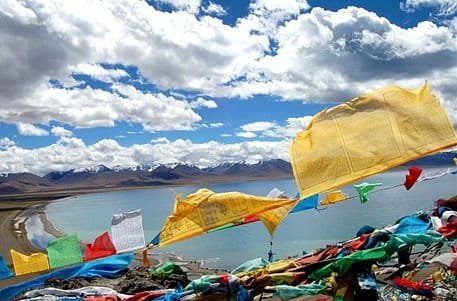
Namtso Lake, often referred to as the “Heavenly Lake,” is one of the most breathtaking natural attractions in Tibet. Situated at an altitude of 4,718 meters (15,479 feet), it is one of the highest saltwater lakes in the world. The lake is located about 112 kilometers (70 miles) northwest of Lhasa, making it a popular destination for both tourists and pilgrims.
Natural Beauty
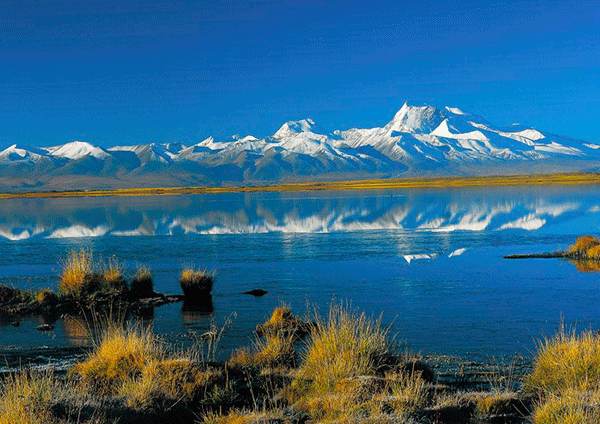
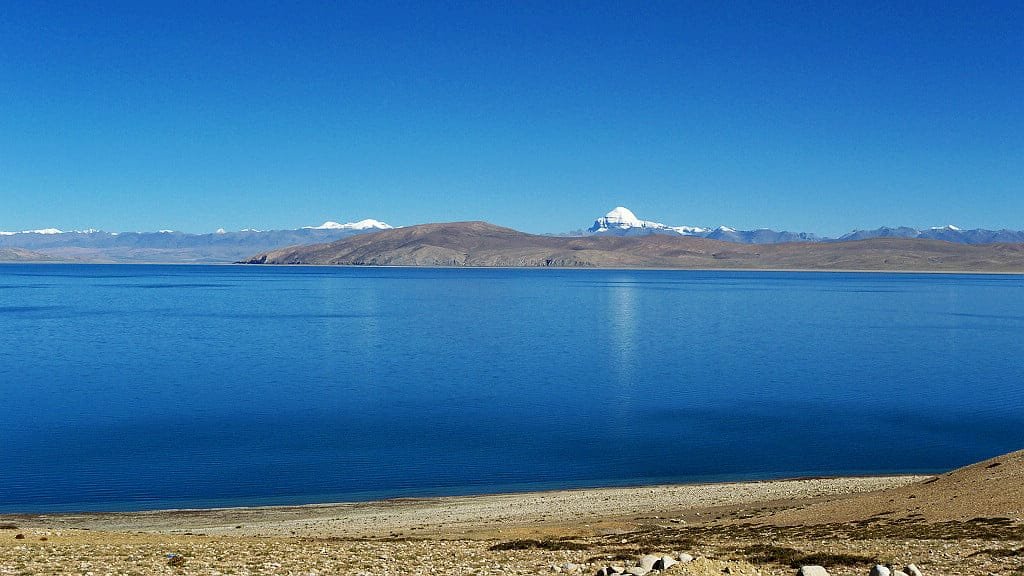
Namtso Lake spans an area of approximately 1,920 square kilometers (740 square miles) and is surrounded by the towering Nyenchen Tanglha Mountains, which often remain snow-capped throughout the year. The lake’s crystal-clear blue waters reflect the sky, creating a stunning contrast with the surrounding mountains and grasslands. The scenery is particularly enchanting at sunrise and sunset when the changing light creates a magical atmosphere.
Spiritual Significance
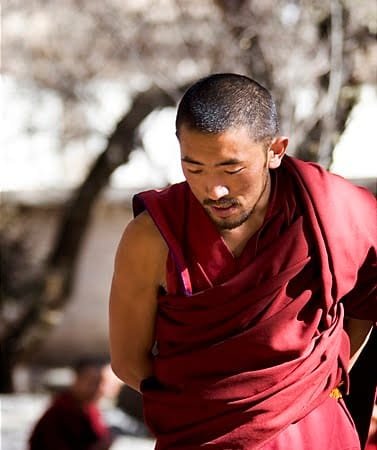
Namtso is considered one of the four sacred lakes in Tibetan Buddhism. It is a popular pilgrimage site, and many Tibetans visit the lake to perform kora, a ritual circumambulation of the lake. The spiritual significance of Namtso is deeply intertwined with Tibetan culture and beliefs. Pilgrims believe that walking around the lake can purify their souls and bring them closer to enlightenment.
Visiting Namtso Lake
Visitors to Namtso Lake can enjoy various activities, including trekking, photography, and simply soaking in the natural beauty. There are several viewpoints around the lake that offer panoramic vistas of the surrounding landscape. Accommodation options near the lake include guesthouses and tented camps, though very basic, providing a unique opportunity to experience the serene environment.
Wildlife and Ecology
The region around Namtso Lake is home to a variety of wildlife, including yaks, Tibetan antelope, and numerous bird species. The lake itself supports several species of fish, and during the summer months, migratory birds such as bar-headed geese and black-necked cranes can be seen around the lake. The area is also known for its beautiful wildflowers, which bloom in the meadows surrounding the lake.








Ask a question!
Please feel free to let us know if you have any question about planning a tour to Tibet. We’ll be happy to help!